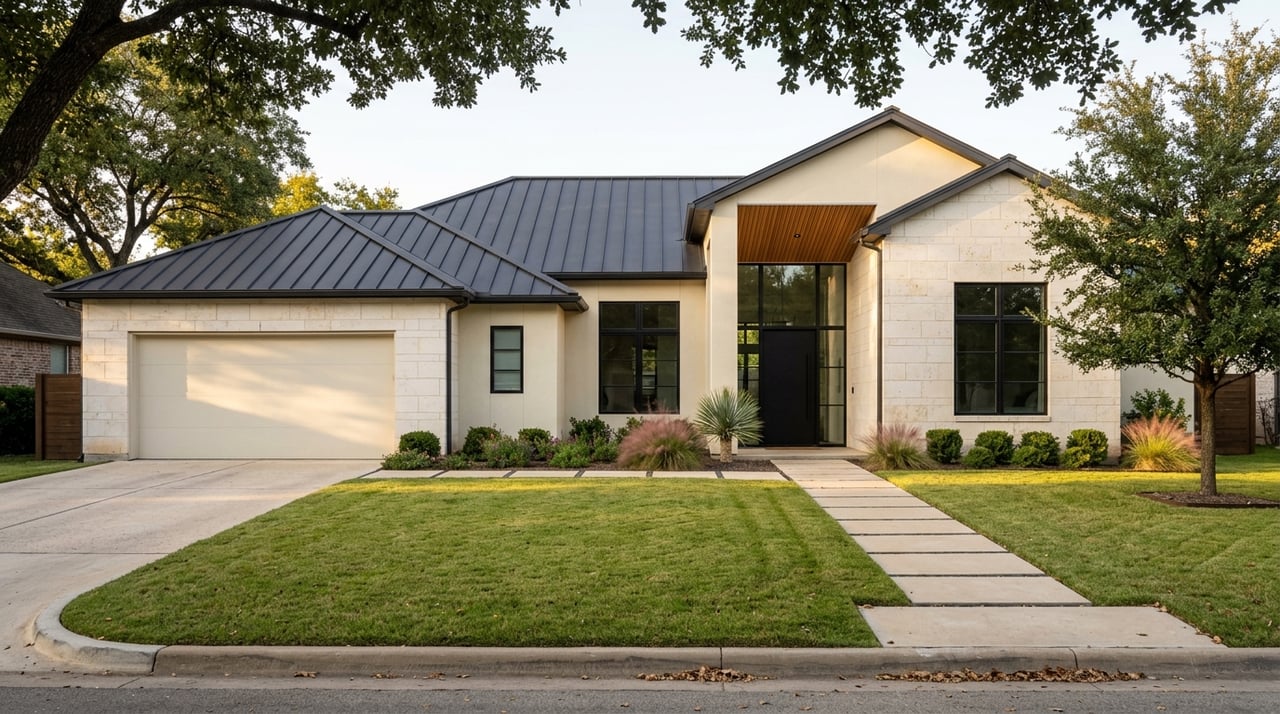
If you are selling a luxury home in Cedar Hill, you are not stepping into the same process as the average local sale. A premium home here often competes on custom design, views, privacy, gated access, lot size, and lifestyle, which means buyers tend to look more closely and move more carefully. When you know what to expect ahead of time, you can price smarter, prepare better, and market your home with more confidence. Let’s dive in.
Luxury Means Something Different in Cedar Hill
In Cedar Hill, luxury is not just about hitting a national price point. The broader local market has recently shown median sale prices far below typical luxury thresholds, with homes selling around $320,000 and spending about 42 days on market, while median listing prices were closer to $395,000 with about 47 days on market.
That gap matters because it shows luxury homes sit in a distinct tier of their own. In Cedar Hill, premium properties are often found in specific submarkets such as Lake Ridge at Joe Pool Lake, the Hills of Lake Ridge, Ridge at Windmill Hill, and Winterhaven Estates, where buyers may be drawn to custom construction, gated settings, lake views, and larger homesites.
Cedar Hill also has a lifestyle story that supports the luxury market. The city highlights 52 neighborhood and community parks, about 3,770.4 acres of greenbelts, and more than 60 miles of trails, while Cedar Hill State Park adds access to Joe Pool Lake and outdoor recreation like boating, fishing, hiking, and biking.
Expect a More Selective Buyer Pool
Luxury buyers usually take more time to evaluate a home. They are not only comparing square footage and finishes, but also weighing privacy, design quality, property condition, tax impact, community rules, and how the home fits their lifestyle.
That often means fewer showings than a mid-market listing, but each showing may carry more weight. National luxury data showed homes in the entry luxury segment spent about 59 to 60 days on market in spring 2026, while high-end luxury homes averaged about 68 days, compared with Cedar Hill’s broader market at about 42 days.
In other words, you should expect a longer runway. That does not mean your home is underperforming. It usually means the buyer pool is smaller, more deliberate, and more focused on value.
Pricing Has to Be Strategic
One of the biggest mistakes luxury sellers make is assuming their home should command a premium simply because it is custom or because they invested heavily in updates. Buyers may appreciate those features, but the market still decides what they are willing to pay.
Texas REALTORS reported that 74% of REALTORS worked with clients who believed their home was worth at least 10% more than market analysis suggested. Yet only 7% of those homes sold in that higher range. That is a strong reminder that overpricing can stall even a beautiful home.
In Cedar Hill, this matters even more because luxury is a narrower segment. If your home is priced too high from day one, it can miss the right buyers during the period when a new listing gets the most attention.
What smart luxury pricing considers
- Recent sales of comparable premium homes
- Lot size, views, privacy, and gated access
- Custom construction quality and condition
- Current buyer demand in Cedar Hill’s upper-tier neighborhoods
- Property taxes and ownership costs
- HOA or POA dues and community requirements
Dallas Central Appraisal District also plays a role in the conversation. DCAD sets property values each year and administers exemptions, while local taxing units set tax rates. Buyers often look closely at carrying costs, so pricing and positioning your home should account for the full ownership picture, not just the list price.
Preparation Still Wins in Luxury
Even in the luxury market, the basics matter. A high-end home does not get a pass on presentation just because it has strong bones, premium finishes, or a great location.
Before your home goes live, buyers should see a property that feels clean, polished, and move-in ready. That usually starts with decluttering, deep cleaning, curb appeal, and tackling the repairs your agent recommends.
Texas REALTORS reported that 68% of sellers made the repairs their agent recommended, and 59% took specific staging advice. NAR’s 2025 staging report also found that 29% of agents said staging increased the dollar value offered by 1% to 10%, while 49% said staging reduced time on market.
Luxury prep often includes
- Deep cleaning inside and out
- Decluttering shelves, counters, closets, and storage areas
- Touch-up paint and deferred maintenance fixes
- Curb appeal improvements
- Staging key rooms for scale and flow
- Refreshing outdoor living spaces
- Preparing the home for professional photography and video
In Cedar Hill, presentation should also support the lifestyle story. If your property has views, outdoor entertaining space, mature trees, or a strong connection to the landscape, those features should feel intentional and camera-ready.
Marketing Should Feel Premium
A luxury listing needs more than a yard sign and a few photos. Buyers in this segment often start online, and the quality of your digital presentation can shape whether they schedule a showing at all.
Among buyers who use the internet during their search, 83% found photos very useful, 79% valued detailed property information, 57% wanted floor plans, 41% found virtual tours useful, and 29% valued videos. That means your listing package should be complete, polished, and designed to help buyers understand not just the home, but the experience of living there.
A strong Cedar Hill luxury marketing plan may include
- Professional photography
- Video tours
- Floor plans
- Drone photography or video
- Social media promotion
- MLS exposure for broad reach
- Signage and open house strategy
- Clear property descriptions that highlight views, lot features, and design details
For Cedar Hill luxury homes, lifestyle-led marketing is especially important. Instead of only listing features, effective marketing should help buyers picture what it feels like to enjoy lake views, outdoor space, custom architecture, and privacy near parks, trails, and Joe Pool Lake.
Showings Need a Plan
Luxury showings should never feel casual. Your home should be presented as an event, with a clear plan for timing, condition, and buyer experience.
NAR notes that showings give buyers the chance to ask questions in person, while open houses can bring multiple prospects through the home at once. It also notes that the first open house the weekend after listing can help maximize exposure.
That said, luxury sellers also need to balance access with privacy. In a higher-end home, personal property is often more visible, and the number of serious buyers is smaller, so screening and scheduling matter.
Steps that help protect privacy and presentation
- Remove personal photos and sensitive documents
- Secure valuables and prescription items
- Limit clutter in garages, offices, and closets
- Keep the home show-ready for planned appointments
- Discourage unapproved photography
- Use secure showing access, such as an electronic lockbox that records entry
A calm, organized showing process helps buyers focus on the home itself. It also protects your privacy while your property is on the market.
Negotiations May Be More Detailed
Luxury offers can look strong at first glance, but they often come with more layers. Buyers may have questions about inspections, appraisal support, community documents, timing, repairs, and included property.
Nationally, luxury demand has remained relatively healthy, and the buyer pool can include more equity-rich or financing-light buyers. NAR reported that all-cash purchases reached 26% of home purchases in 2025, which suggests some premium buyers may bring fewer financing hurdles than a typical buyer.
Still, fewer hurdles does not mean fewer negotiations. In Cedar Hill’s luxury neighborhoods, buyers may review HOA or POA documents carefully, especially in gated or mandatory-association communities.
You may negotiate around
- Inspection findings
- Repair requests or credits
- Appraisal questions
- HOA or POA dues and rules
- Closing timeline
- Fixtures, appliances, or specialty features
- Access to utilities and property during the contract period
This stage is where experienced representation can make a real difference. Clear communication, strong documentation, and realistic expectations help keep a premium transaction moving.
Texas Disclosures Matter
In Texas, sellers should expect a formal disclosure process. Texas A&M’s Real Estate Research Center says the Seller’s Disclosure Notice is required for most residential sales of one dwelling unit and reflects the seller’s knowledge rather than serving as a warranty.
It also does not replace inspections. Buyers generally may inspect the home and renegotiate during the option period, and sellers must allow reasonable access and keep utilities on while the contract is in effect.
Timing matters too. If the disclosure notice is not delivered by the effective date of the contract, the buyer may have a seven-day termination right after receiving it.
For luxury sellers, that makes complete and timely disclosure especially important. A missing detail can create unnecessary tension in a transaction where buyers are already paying close attention.
What the Closing Timeline Often Looks Like
Selling a luxury home in Cedar Hill usually follows the same broad steps as any residential sale, but each phase may take more care.
Typical luxury sale flow
- Pricing and strategy based on comparable sales and market position
- Home preparation with repairs, cleaning, staging, and photography
- Launch and marketing across MLS and digital channels
- Showings and open houses with controlled access and feedback review
- Offer negotiation on price, terms, and timing
- Option period and inspections with possible repair discussions
- Appraisal and buyer due diligence if financing applies
- Final closing steps including title work and move-out planning
The key is not to rush the wrong part of the process. In luxury sales, a thoughtful launch and strong first impression often matter more than trying to force speed.
Why Local Guidance Matters
Cedar Hill’s luxury market has its own rhythm. It is shaped by custom neighborhoods, view lots, gated communities, outdoor amenities, and a price band that sits apart from the city’s overall median market.
That means your strategy should be local, not generic. You need pricing grounded in the right comparables, marketing that tells the right story, and guidance that keeps the process steady from listing to closing.
When you know what to expect, you can make better decisions at every stage. And when your home is positioned well from the start, you give yourself the best chance to attract serious buyers and protect your bottom line.
If you are thinking about selling a luxury home in Cedar Hill, the right plan can make all the difference. For experienced, relationship-first guidance and professional marketing tailored to your property, connect with Donna Jobe.
FAQs
What counts as a luxury home in Cedar Hill?
- In Cedar Hill, luxury usually refers to custom, gated, view-oriented, or large-lot homes in premium neighborhoods rather than a single fixed price point.
How long does it take to sell a luxury home in Cedar Hill?
- Luxury homes often take longer than Cedar Hill’s overall market, with national spring 2026 luxury data showing about 59 to 68 days on market for many premium listings versus about 42 days for the broader local market.
How should you price a luxury home in Cedar Hill?
- You should price based on local premium comparables, property condition, lot features, views, community factors, and buyer demand instead of pricing from emotion or renovation cost alone.
What marketing matters most for a Cedar Hill luxury listing?
- Professional photography, detailed property information, floor plans, video, drone media, MLS exposure, and lifestyle-focused marketing are all important for reaching serious buyers.
What should sellers expect during a Texas luxury home sale?
- You should expect disclosures, inspections, possible repair negotiations, buyer due diligence, and careful review of HOA or POA documents when the property is in a managed community.
