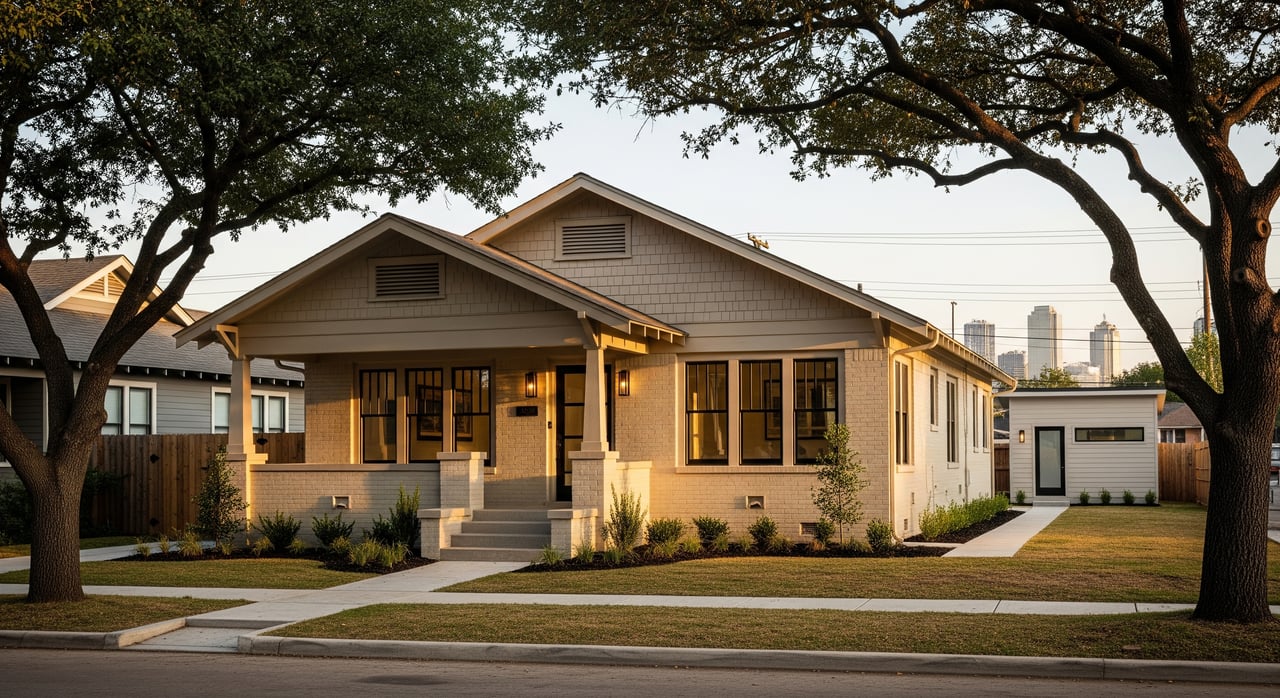
Thinking about buying a rental or flip in Oak Cliff but unsure how to separate a promising deal from an expensive project? You are not alone. Oak Cliff has many sub-neighborhoods, housing types, and price tiers, which means the right framework will save you time and protect your returns. In this guide, you will learn how to size up rent potential, run the numbers, plan a rehab, and plan smart exits using a repeatable, Oak Cliff-specific checklist. Let’s dive in.
Know Oak Cliff submarkets
Oak Cliff is not one market. It is a collection of sub-neighborhoods that move at different speeds. Areas near Bishop Arts and Kessler Park tend to carry higher purchase prices and rents with strong long-term appeal. Historic pockets like Winnetka Heights and Lake Cliff often reward careful renovations that respect period details. Farther south and in outer pockets, entry prices are lower and cap rates may be higher, but you should plan for more active management.
Street-by-street differences are common. Study the immediate block, not just the ZIP code. Use the Dallas Central Appraisal District property records to confirm lot size, year built, and improvements. Keep an eye on local development news that can impact demand by following the Dallas Morning News real estate coverage. When you need city-level context, the City of Dallas planning and permitting departments can clarify zoning and permit histories.
Build rent comps that hold up
Define the unit and tenant
Start with the product you plan to offer. Is it a 2-bedroom bungalow near Bishop Arts, a duplex unit in North Oak Cliff, or a 3-bedroom single-family home in South Oak Cliff? Think about the likely renter profile and the features that matter most to them, such as parking, yard space, in-unit laundry, and proximity to retail or transit.
Pull current listings
Scan active listings to understand what is competing with you. Record rent, size, beds and baths, condition, included utilities, parking, pet policy, and exact block. Use multiple sources and screenshot the details so you can reference dates and terms later. For a quick neighborhood pulse, tools like Rentometer’s neighborhood rent comparisons can help you spot ranges to verify with deeper research.
Verify leased rents
Asking rent is not the same as leased rent. Work with a local agent who can pull MLS rental history, and cross-check with property managers who operate in Oak Cliff. If data is thin, expand your search radius slightly and weight comps by distance and similarity.
Normalize and adjust
Create apples-to-apples comparisons.
- Adjust for bedrooms and baths using current local deltas.
- Compare dollars per square foot and overall condition.
- Reduce target rent if you pay utilities, lawn care, or include extras.
- Note parking, storage, and outdoor space premiums.
- Align lease terms; month-to-month usually trails a 12-month lease on rent.
Oak Cliff specifics: properties near Bishop Arts or Kessler Park often command a premium, and renovated historic homes can achieve higher rents. Expect moderate seasonality, with spring and summer often seeing stronger demand.
Set a target rent
Build three estimates to guide your offer and rehab scope:
- Conservative: likely to lease quickly in 30 days
- Market: median rent for close comps
- Stretch: achievable if you deliver standout condition and amenities
Use the conservative number for financing and the market number for valuation. Plug all three into your financial model to stress test returns.
Run the numbers with confidence
Core metrics and formulas
Use these together so you see the full picture:
- Gross Scheduled Income (GSI) = monthly rent × 12
- Vacancy allowance = 5 to 10% depending on micro-market
- Effective Gross Income (EGI) = GSI − vacancy − concessions + other income
- Operating Expenses = taxes, insurance, repairs, management fee, owner-paid utilities, HOA, landscaping, reserves
- Net Operating Income (NOI) = EGI − Operating Expenses
- Capitalization Rate (Cap Rate) = NOI ÷ purchase price
- Cash-on-Cash Return = annual pre-tax cash flow ÷ equity invested
- Debt Service Coverage Ratio (DSCR) = NOI ÷ annual debt service
Cap rate targets by strategy
Treat cap rate as one indicator, not a decision rule.
- Stabilized, low-management homes in strong appreciation areas like Bishop Arts often start with lower cap rates, trading current yield for long-term upside.
- Value-add purchases should offer higher cap rates to pay you for renovation and management risk. Many investors look for mid-to-high single digits or better on a stabilized, post-rehab basis.
- Heavy rehabs or flips require still higher projected returns to justify time and risk.
To benchmark, compare recent sales of similar investment properties and back into market cap rates using actual NOI and sale prices.
Example calculation
Use realistic local inputs before you write an offer. As a simple illustration:
- Target rent after renovation: 2,200 per month
- GSI: 2,200 × 12 = 26,400
- Vacancy at 7%: 1,848; EGI ≈ 24,552
- Operating expenses at 35% of EGI: 8,593; NOI ≈ 15,959
- If your all-in basis is 320,000, Cap Rate ≈ 5.0%
From there, layer in financing to calculate cash-on-cash and DSCR. Compare this to your target returns and adjust price, scope, or exit plan.
Stress test financing
Interest rates and loan-to-value change cash-on-cash quickly. Model a higher interest rate and a slightly longer lease-up. For BRRRR, confirm with local lenders what documentation they require for a refinance and how they view post-rehab values. Appraisals will rely on comparable sales, not your ARV alone.
Scope rehab the Oak Cliff way
Classify your scope
Label your project as light cosmetic, mid-level, or heavy. Older Oak Cliff homes often need system updates for electrical, plumbing, HVAC, foundations, windows, and roofs. Historic district rules may add time or specific material requirements.
Budget with contingency
Build a line-item budget that includes demo, framing, MEP systems, roofing, insulation, drywall, paint, flooring, kitchen, baths, exterior, landscaping, permits, and inspection fees. Add a 10 to 20% contingency, and lean higher for pre-1978 homes. Use at least three local contractor bids and confirm finish levels that match the sub-neighborhood.
Time and holding costs
Carry mortgage, taxes, insurance, and utilities during the project. Older homes can reveal surprises during permitting or demo, so add timeline padding. Track every holding day in your model so you can make fast decisions if a delay appears.
Align to ARV and comps
Do not over-improve for the block. Set finishes to match what recently sold nearby and what local renters will pay for. Your Maximum Allowable Offer for flips should consider ARV, rehab, closing costs, and your target profit. For buy-and-hold, model how ARV supports a refinance that fits lender underwriting.
To verify property history and permits, check the City of Dallas permitting records. For flood risk, use the FEMA Flood Map Service Center. For neighborhood-level demographics and household size, review the U.S. Census American Community Survey.
Pick smart exit strategies
Match exits to the property and submarket:
- Long-term rental: steady cash flow with appreciation potential.
- BRRRR: viable where post-rehab comps and rents support a refinance that releases capital.
- Retail sale to an owner-occupant: can capture higher prices in historic districts if the renovation fits neighborhood character.
- Investor sale or wholesale: faster exit at a discount.
- Short-term rental: review City of Dallas rules and taxes before pursuing; confirm neighborhood restrictions.
- Redevelopment or infill: only where zoning and lot size allow duplex or small multifamily.
Legal checks and risk controls
Oak Cliff has older housing stock and mixed blocks, so tighten your due diligence.
- Title and liens: order a full title search and resolve issues before closing.
- Zoning and use: confirm allowed uses, ADU or duplex rules, and minimum lot size with the City of Dallas.
- Permits: review open permits and past work history; ensure prior work was permitted and closed.
- Flood and drainage: check FEMA maps and any local overlays.
- Age-related hazards: follow disclosure and safety rules for pre-1978 homes.
- Rental rules: confirm current rental licensing and inspection requirements with the city.
- Insurance: price landlord, flood where needed, wind and hail coverage, and vacancy coverage for rehab periods.
Practical tools and local data
- Property records and values: Dallas Central Appraisal District
- Neighborhood news and projects: Dallas Morning News real estate
- Flood risk: FEMA Flood Map Service Center
- Demographics and tenure: U.S. Census ACS
- Quick rent pulse: Rentometer neighborhood comparisons
Your Oak Cliff investing game plan
- Pick a specific submarket and product type.
- Build three rent estimates and base your model on the conservative number.
- Itemize operating costs and use realistic management fees.
- Define your cap rate and cash-on-cash targets by strategy.
- Right-size the rehab scope and contingency for the block and vintage.
- Choose your exit before you write the offer and underwrite to that plan.
If you want local, hands-on help with rent comps, offer strategy, or a contractor and property manager shortlist, our team is ready to assist. Reach out to Donna Jobe for neighborhood-specific guidance and a clear plan for your next Oak Cliff investment.
FAQs
What is a good cap rate for Oak Cliff rentals?
- Stabilized homes in premium pockets often trade at lower cap rates with stronger appreciation potential, while value-add deals should offer higher cap rates to compensate for rehab and management risk.
How do I find reliable rent comps when listings are thin?
- Combine MLS rental history via a local agent with current listing scans, property manager feedback, and tools like neighborhood rent comparisons, then adjust for beds, baths, size, and condition.
Are short-term rentals allowed in Oak Cliff right now?
- Short-term rental rules are set by the City of Dallas; review current regulations and neighborhood restrictions before underwriting an STR exit.
How much contingency should I budget for older homes?
- Plan for a 10 to 20% contingency on rehab, leaning higher for pre-1978 properties that may need system updates and permit-related timeline padding.
How does being near Bishop Arts affect my strategy?
- Proximity to retail and dining can increase rent potential and buyer demand, but purchase prices may be higher; many investors accept lower initial cap rates in exchange for long-term appreciation.
