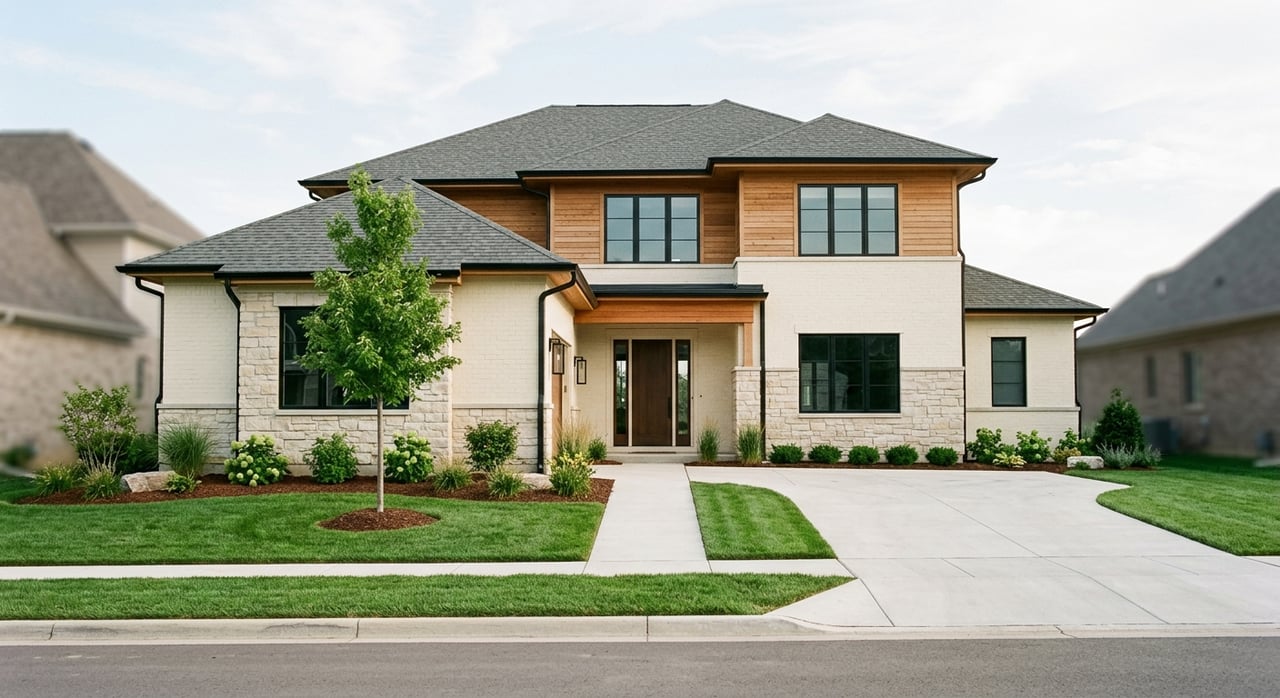
Thinking about buying a brand-new home in Red Oak? You are not alone. This fast-growing Ellis County city is drawing buyers who want more space, newer features, and a location along the I-35E corridor with access to the wider Dallas-Fort Worth area. If you are trying to figure out where to start, this guide will walk you through what to expect, what to compare, and what to double-check before you sign. Let’s dive in.
Why Red Oak draws new-home buyers
Red Oak has been growing quickly, and that growth matters when you are shopping for new construction. The city’s population estimate for July 1, 2024 was 19,365, up from 14,222 in the 2020 census. That 36.10% increase helps explain why new-home activity is so visible in the area.
The city also has a clear focus on development. Red Oak’s Planning & Zoning efforts center on new development, redevelopment, and improving existing neighborhoods and commercial areas. For you as a buyer, that means you are looking at a market that is actively evolving rather than standing still.
Location is another big reason buyers look here. Builder marketing describes Red Oak as roughly 20 minutes south of Dallas and 30 minutes southeast of Fort Worth. If you want a southern suburb with room to grow and access to major job centers, Red Oak often ends up on the shortlist.
What new construction looks like in Red Oak
One of the most important things to know is that Red Oak is not just one type of new-home market. You can find communities with shared amenities and smaller-to-larger floor plans, but you can also find neighborhoods that emphasize larger homesites. That gives you more than one path depending on your budget, lifestyle, and long-term plans.
Current builder pages show a wide range of home sizes and price points. In other words, Red Oak can work for first-time buyers, move-up buyers, and buyers looking for more square footage or more land. That flexibility is part of the appeal.
Current community examples
Bloomfield Homes currently markets Crystal Lake Estates, Glenbrook, and The Oaks in Red Oak. Its current community pages show the following ranges:
- Crystal Lake Estates: from $519,990 to $690,990, with 2,235 to 4,035 square feet
- Glenbrook: from $424,990 to $649,000, with 2,240 to 4,035 square feet
- The Oaks: from $394,990 to $602,730, with 2,098 to 4,226 square feet
Bloomfield also notes that Glenbrook offers half-acre homesites. That is helpful if you want more outdoor space and are comparing lot size as closely as floor plan.
HistoryMaker Homes also currently markets The Oaks in Red Oak. Its page lists homes with 3 to 4 bedrooms and 1,748 to 3,873 square feet, along with amenities such as a community pool, playground, dog park, walking trails, more than 20 acres of green space, baseball and soccer fields, and an amenity center.
Amenity-rich communities vs larger lots
As you compare neighborhoods, it helps to think in two categories. Some communities lean into shared amenities like trails, parks, pools, and recreation spaces. Others stand out more for homesite size and added breathing room.
Neither option is automatically better. It depends on what matters most to you. If you care about nearby shared features and a built-in community layout, an amenity-focused neighborhood may fit. If you want more lot space, privacy, or flexibility in how you use your yard, a larger-lot setting may be the better match.
Look beyond the base price
A builder’s online price is only one piece of the picture. Builder pages also note that pricing, plans, features, amenities, and materials can change without notice. That means online listings should be treated as a current snapshot, not a final promise.
Before you move forward, confirm the details tied to the specific lot and home you want. Ask about included features, lot premiums, upgrade costs, and the status of any amenities shown in marketing materials. It is much easier to sort out those details before contract than after.
Key items to compare
When you are deciding between Red Oak new construction options, focus on these side-by-side:
- Base price versus final expected price
- Included features versus upgrade packages
- Homesite size and lot placement
- Community amenities
- School zoning by exact lot
- Flood risk and drainage factors
- Warranty terms
- Estimated monthly ownership costs
This kind of comparison gives you a truer picture than looking at square footage alone.
How the local build process works
In Red Oak, new construction starts with city permitting and review. The city says building, plumbing, electrical, mechanical, and major construction improvement permits require review. New-construction submittals must include construction documents and site plans showing lot dimensions, the home footprint, property lines, easements, and related information.
The city also inspects permit work using both in-house and contracted inspectors. Red Oak’s Development Services Department oversees key functions including engineering, code enforcement, permits, building inspections, and planning and zoning. The process runs from early submittals through final inspections.
For buyers, this is helpful context when you are comparing a production build with a custom build or trying to understand where a home is in the process. Red Oak’s current adopted code set includes the 2024 International Residential Code and related model codes.
Utilities and monthly costs to plan for
When you budget for a new construction home, remember that ownership costs go beyond principal, interest, taxes, and insurance. In Red Oak, water service is supplied by a Dallas Water Utilities line, wastewater treatment is handled by the Trinity River Authority, and Utility Billing manages water, sewer, and solid-waste account setup.
The city also charges a monthly stormwater drainage fee. That may sound small compared with your mortgage, but it still belongs in your monthly planning. A realistic budget helps you avoid surprises after closing.
Why lot selection matters so much
Two homes in the same community can feel similar on paper but be very different in practice. That is why lot selection deserves as much attention as the floor plan. A good lot choice can improve day-to-day enjoyment and reduce future headaches.
In Red Oak, floodplain status is one of the first things to verify. Ellis County participates in FEMA’s National Flood Insurance Program and says it can provide flood-zone and flood-risk information. Red Oak also states that no work may begin in a special flood hazard area until a floodplain development permit is issued.
That is a strong reminder to treat flood risk and drainage as part of your search, not an afterthought. If you are comparing lots, ask questions early about drainage patterns, floodplain status, and any related building requirements.
Verify school zoning by address
If school zoning is part of your decision, do not assume every lot in a subdivision feeds the same campus. Red Oak ISD says it covers 42 square miles, serves about 6,500 students, and includes seven campuses across Red Oak and nearby municipalities.
The district provides an address-based school zone locator, including a way to check a specific lot. That tool matters because exact assignment can vary by homesite. If you are narrowing down two similar homes, school zoning may help break the tie.
How new-home contracts differ in Texas
Buying from a builder does not work the same way as buying a resale home. In Texas, separate TREC forms are used for new homes and resale homes. As of July 1, 2026, TREC has a New Home Contract for incomplete construction and a New Home Contract for completed construction.
TREC also states that the One to Four Family Residential Contract (Resale) is not for use with new homes being sold by a builder. For you, the takeaway is simple: a builder purchase can have different terms, timelines, and expectations than a typical resale transaction.
This is one reason experienced guidance matters. The contract stage is where details around construction status, timelines, deposits, features, and protections become especially important.
Inspections and buyer protections
A brand-new home is still a home that needs careful review. Consumer guidance on new-home buying says you can shop homes and lenders at the same time, may be asked for an upfront builder deposit or earnest money, and should ask when that deposit is refundable.
That same guidance also says you are not required to use the builder’s affiliated lender. If a builder presents a preferred lender option, compare it carefully with other financing choices so you understand the full picture.
Independent inspections matter too. Buyers are encouraged to schedule an independent home inspection as soon as possible and attend if they can. An inspection is not the same as an appraisal, and it can help identify issues even in a newly built or nearly completed home.
If your contract includes inspection-related protections, you may be able to negotiate repairs or cancel based on inspection results. The key point is that new does not automatically mean flawless.
A smart way to compare Red Oak builders
If you want to make a confident decision, compare communities in layers instead of getting stuck on finishes first. Start with the big-picture factors that affect how you will live in the home and what the property may cost over time.
A simple comparison process looks like this:
- Choose the communities that fit your budget range.
- Compare lot size, lot location, and drainage considerations.
- Verify school zoning by exact address or lot.
- Review amenities and how important they are to your lifestyle.
- Confirm what features are included and what costs extra.
- Review warranty terms and construction status.
- Understand monthly utility-related costs and fees.
- Read the contract carefully before you commit.
That approach keeps you focused on the factors that matter long after closing day.
If you are weighing new construction in Red Oak, the best next step is to get clear on your priorities before you fall in love with a model home. Whether you want community amenities, a larger homesite, or help comparing builders and contracts, having experienced local guidance can make the process much smoother. When you are ready to talk through your options, connect with Donna Jobe for personalized help navigating the Red Oak market.
FAQs
What makes Red Oak appealing for new construction home buyers?
- Red Oak is a fast-growing Ellis County city with a population estimate of 19,365 as of July 1, 2024, plus active development, access along I-35E, and a mix of new-home community styles.
What kinds of new construction communities are available in Red Oak?
- Current builder offerings show both amenity-rich communities with features like pools, trails, and green space, and neighborhoods with larger homesites, including some half-acre lots.
What should buyers compare besides price in Red Oak new construction?
- You should compare included features, upgrade costs, lot size, amenities, warranty terms, school zoning, flood risk, and monthly utility-related costs.
How do buyers verify school zoning for a new home in Red Oak?
- Red Oak ISD offers an address-based school zone locator that can check a specific lot, which is important because assignment may vary within or near the same subdivision.
Why does floodplain status matter when buying a new construction home in Red Oak?
- Ellis County provides flood-zone and flood-risk information, and Red Oak requires a floodplain development permit before work begins in a special flood hazard area, so lot drainage and flood risk should be checked early.
Are new construction contracts different from resale contracts in Texas?
- Yes. Texas uses separate TREC new-home contracts for completed and incomplete construction, and the standard resale contract is not used for new homes sold by a builder.
Should buyers get an independent inspection on a brand-new home in Red Oak?
- Yes. Independent inspections can help identify issues before closing, and a new home should not be assumed to be flawless just because it is newly built.
