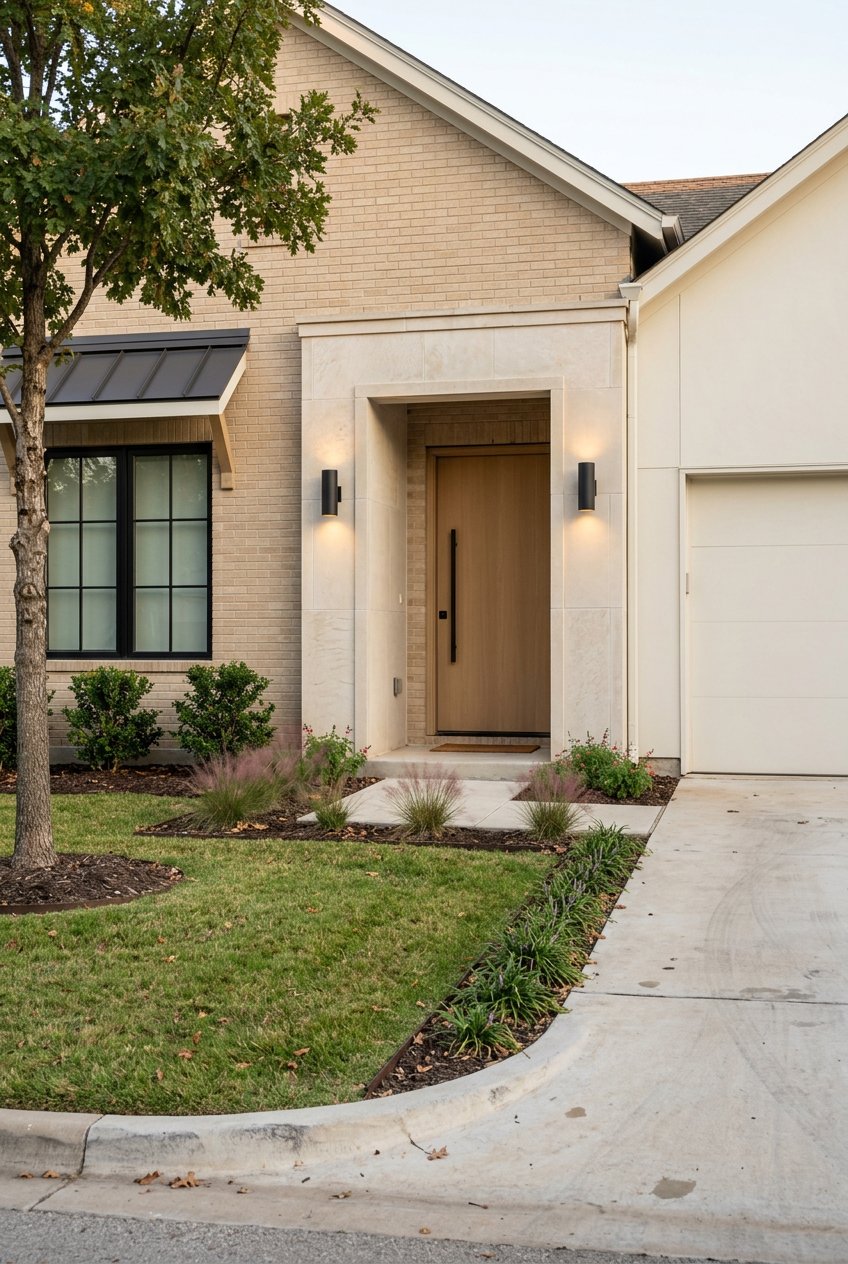
Buying your first home should feel exciting, not overwhelming. If Red Oak is on your radar, you’re already looking in a South Dallas suburb known for growing neighborhoods, new builds, and solid value compared with many northern DFW areas. You’ll find mostly single‑family homes, reasonable commute times, and prices that fit a first‑time budget. In this guide, you’ll get a clear step‑by‑step path to buy in Red Oak, including local timelines, costs, financing help, and what to watch for in North Texas homes. Let’s dive in.
Why Red Oak works for first‑time buyers
Red Oak offers a practical mix of affordability and space. The area is dominated by single‑family homes, and several builders are active with floor plans that often land in first‑time price ranges. You can expect 3 to 4 bedroom options to be common across many subdivisions. For a quick view of the housing mix in ZIP 75154, review neutral housing type data for the area’s stock on the ZIP Codes profile for 75154.
Commuting is manageable for many buyers. According to U.S. Census QuickFacts, Red Oak residents report a mean travel time to work around 27 minutes. Many community pages describe a 20 to 35 minute drive to central Dallas, depending on route and traffic. Use commute time as a tie‑breaker as you compare price, lot size, and proximity to your daily stops.
Price trends are approachable for first‑timers. Recent snapshots from well‑known market data providers placed Red Oak’s typical prices in the low to mid $300Ks, with estimates across sources ranging roughly from the mid‑$330Ks to the high‑$390Ks. Average days on market have hovered around two to two‑and‑a‑half months in recent reports, which gives you time for careful due diligence. Different providers often report different numbers because they track different things (list prices, closed sales, or algorithmic value indexes), so focus on a consistent source during your search.
Your step‑by‑step buying roadmap
1) Get pre‑approved and set your budget
Start with your numbers. Pull your credit, outline your monthly comfort zone, and include all costs in your estimate: principal, interest, property taxes, homeowners insurance, and any HOA dues. The Consumer Financial Protection Bureau explains how the Loan Estimate works and what lenders need from you. Getting fully pre‑approved (not just pre‑qualified) will strengthen your offers and help you shop with confidence.
- Review the CFPB’s guide to the Loan Estimate and required documents: CFPB Loan Estimate overview
2) Choose a local buyer’s agent and define your search
A local Red Oak agent brings MLS access, neighborhood and Red Oak ISD boundary context, and insight on HOA rules, MUDs, and builder incentives. Given recent industry changes in how buyer‑agent compensation may be shown, ask clear questions about representation and how your agent is paid before you start touring. For general tips on selecting an agent, see this practical overview on how to find a real estate agent.
- Ask your agent to flag address‑specific items early: tax rate, HOA fees, flood zone, and any known foundation or drainage history.
3) Tour neighborhoods with schools and services in mind
If schools matter to you, review Red Oak ISD’s current accountability reports and any active bond projects. Enrollment has been growing, and district investments evolve over time. Always check campus assignment maps and the latest TEA accountability information directly from the district. Start with the district’s assessment and accountability overview.
- Keep school research neutral and up to date. District boundaries and ratings can change year to year.
4) Write a strong Texas offer
Texas contracts include two buyer protections you should know well: earnest money and the option period. Under the standard TREC contract, you must deliver earnest money and the option fee to the agreed title/escrow agent within 3 days of the contract’s effective date. If the option fee is not delivered on time, you may lose the unrestricted right to terminate. Option periods are negotiated, often 3 to 10 calendar days in resales, and the fee is typically modest. Read TREC’s guidance on option fee delivery and deadlines here: TREC option fee delivery FAQ.
- For a deeper primer on timelines and counting days in Texas, see the Texas Real Estate Research Center overview of option periods.
5) Inspect with North Texas in mind
Schedule a standard home inspection right away, then add targeted checks if your inspector suggests them. In Texas, that often includes a termite or WDI report, HVAC evaluation, a sewer scope for older homes, and a careful look at the roof. In Dallas‑Fort Worth, expansive clay soils can cause foundation movement. If your inspector flags concerns, hire a licensed structural engineer to assess scope and cost. For background on how plumbing leaks and soil conditions can affect slabs, read this local engineering explainer: foundation movement in North Texas.
- Typical inspection costs: general home inspection often runs about $300 to $600 in Texas, with specialized inspections added as needed. A practical buyer guide with cost context: Texas option period and inspection basics.
6) Appraisal, underwriting, and clear‑to‑close
After you are under contract, your lender orders the appraisal and completes underwriting. Timing here often controls your closing date. Federal TRID rules require that you receive a Closing Disclosure at least three business days before signing. The CFPB details what to look for in your loan documents: CFPB Loan Estimate and closing disclosures.
7) Closing day logistics
Before closing, complete a final walkthrough to confirm condition and agreed repairs. You will bring wired funds or a cashier’s check for your cash to close. Closing costs often total about 2 to 5 percent of the purchase price and can include title insurance, lender origination, appraisal, prepaid taxes and insurance, and recording fees. Your Loan Estimate will outline exact line items.
Financing and assistance options
Most first‑time buyers in Red Oak choose from four common mortgage types: Conventional, FHA, VA, and USDA. FHA allows as little as 3.5 percent down, VA offers zero‑down for eligible service members and veterans, and USDA can be zero‑down in property‑eligible areas. USDA eligibility is address‑specific, so check with a participating lender to confirm. For loan basics and how to compare options, use the CFPB’s mortgage tools and HUD’s Buying a home overview.
Texas also offers down payment help:
- My First Texas Home (TDHCA). Combines a 30‑year mortgage with down payment and closing cost assistance, often up to about 5 percent of the first‑lien mortgage. You must work with a participating lender and complete required education. Read program details at TDHCA’s My First Texas Home.
- TSAHC programs. Home Sweet Texas and Homes for Texas Heroes provide 30‑year fixed mortgages with down payment assistance as a grant or forgivable second lien, often up to about 5 percent, subject to income, purchase price, and credit limits. See a helpful summary and lender‑participation notes at TSAHC program overview.
Common eligibility checks include first‑time buyer status or veteran status, county income limits, minimum credit scores around 620, property and owner‑occupancy rules, and completion of homebuyer education. Ask your lender and agent to confirm the best program and maximum assistance available for Ellis or Dallas County.
Red Oak specifics to budget and check
Property taxes and how Texas funds services
Texas has no state property tax. Local tax bills fund schools, cities, counties, and special districts, and rates vary by address. Always request the most recent tax rate and current‑year bill for the specific property from the county appraisal district. The Texas Comptroller explains the system here: Texas property tax basics. For a local snapshot of effective rates and typical bills in Red Oak, review Ownwell’s Red Oak tax trends.
- Build taxes into your monthly payment estimate. Escrows can change yearly as tax assessments reset.
HOAs and new‑build communities
Many newer subdivisions in Red Oak have HOAs, and fees can affect your monthly budget. If you consider a home with an HOA, request the covenants, budget, and resale certificate early. For context on how listings show HOA details in the area, see this example Red Oak listing with HOA information. New builds often include builder warranties, which your agent can review alongside the inspection report.
- HOA rules, fees, and amenities are address‑specific. Confirm everything in writing before your option period ends.
Foundation and soil awareness
Expansive clay soils are common in DFW and can move with moisture changes. Gutters, grading, and consistent foundation watering can make a difference over time. If a resale home discloses prior foundation work, ask for engineering reports, warranty documentation, and repair invoices. For a technical look at causes and evaluations, read this North Texas engineer’s summary: foundation movement in Texas.
Commute and location tradeoffs
Red Oak sits south of Dallas with a mean commute time near 27 minutes per Census QuickFacts. As you compare homes, weigh commute routes, lot size, noise levels, and access to daily needs against price. A slightly longer drive may unlock more space or a newer home.
Timeline and cash checklist
Here is a realistic path from prep to keys in Red Oak:
- Pre‑approval: 1 to 7 days depending on paperwork and lender speed. Review the CFPB Loan Estimate guide.
- Under contract to closing: commonly 30 to 45 days for financed purchases, though timelines vary by loan type and repairs. Industry summaries place many purchase closings in the mid‑40 day range. Helpful overview: average closing time examples.
- Contract deadlines: option period often 3 to 10 days. Deliver earnest and option fees within 3 days of the effective date per TREC guidance. Closing Disclosure must be delivered at least 3 business days before signing per CFPB rules.
Budget for upfront and closing costs:
- Earnest money: often around 1 percent of price in local practice, though amounts vary by listing. See a Texas primer on earnest money norms.
- Option fee: often $100 to $500 in standard resales, negotiated in the offer.
- Inspections: general inspection commonly $300 to $600, plus any specialized checks.
- Closing costs: typically 2 to 5 percent of purchase price. Your Loan Estimate will outline exact fees.
- Down payment: depends on loan type. State programs like TDHCA and TSAHC may offer assistance up to about 5 percent when available.
Address‑specific checks to complete early:
- County appraisal district lookups for the latest property tax bill and exemptions.
- HOA status, fees, and resale certificate details if applicable.
- Flood zone, insurance quotes, and USDA eligibility if you pursue a USDA loan.
Ready to make your first home in Red Oak a reality? Let’s map your budget, neighborhoods, and a plan that fits your timeline. Reach out to the Donna and Gail Team to start a no‑pressure conversation with Donna Jobe.
FAQs
What do first‑time buyers typically pay for a home in Red Oak?
- Recent market snapshots place many Red Oak homes in the low to mid $300Ks, with some sources ranging from the mid $330Ks to high $390Ks depending on whether they track list, sale, or value index data.
How does the Texas option period protect me as a buyer?
- The option period gives you an unrestricted right to terminate within a negotiated window, often 3 to 10 days, after delivering the option fee; use it to complete inspections and negotiate repairs without risking your earnest money, and deliver all fees within 3 days as TREC outlines.
Are there zero‑down loan options in Red Oak?
- Yes, VA loans offer zero down for eligible veterans and service members, and USDA loans can be zero down in property‑eligible areas; check address eligibility with a participating lender and review basics at the CFPB and HUD.
How should I estimate property taxes for a Red Oak home?
- Texas taxes are local, so request the current year bill and rates from the county appraisal district, use Ownwell’s Red Oak snapshot as context, and roll taxes into your monthly budget since escrows can change each year.
Do many Red Oak homes have HOAs, and what should I review?
- Many newer subdivisions include HOAs with dues and rules that affect your costs; ask for covenants, budgets, and the resale certificate early, and verify fees and restrictions for the specific address before your option period ends.
What inspections are most important for North Texas homes?
- Start with a general home inspection, then add a termite/WDI report, HVAC review, sewer scope for older homes, and a foundation evaluation by a licensed structural engineer if your inspector flags movement or cracks common to expansive clay soils.
