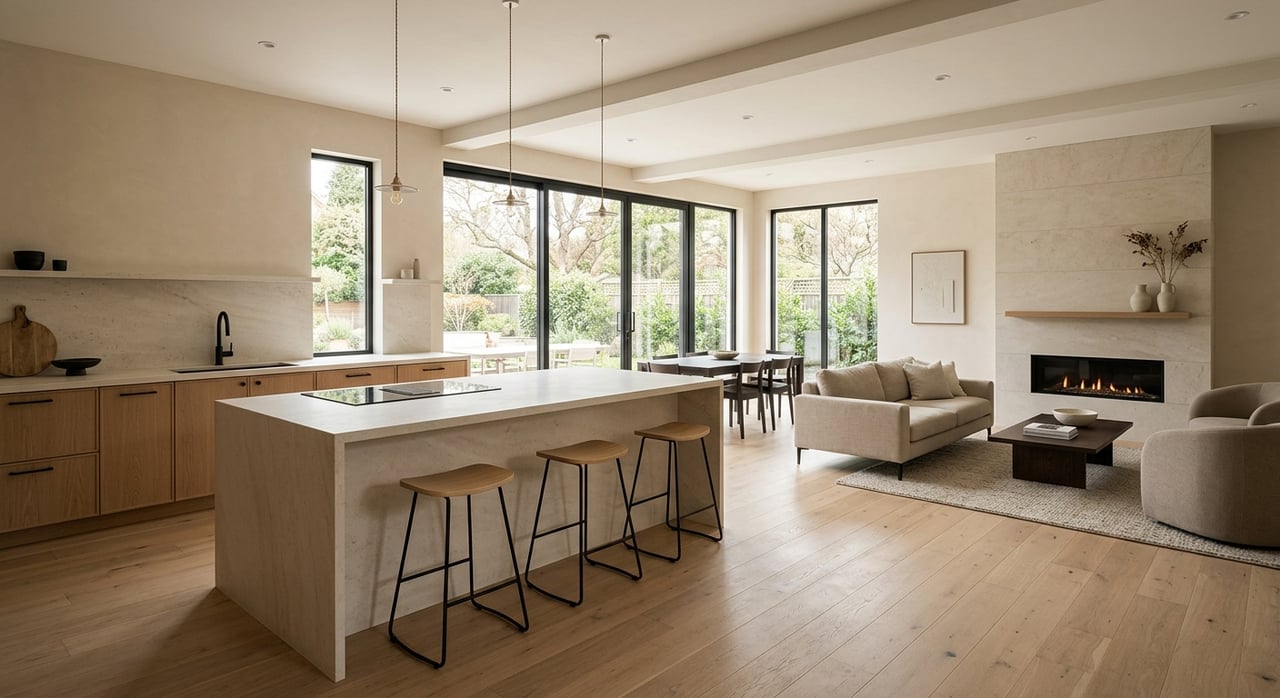
Feeling stretched by too much space, too much upkeep, or too many things? If you’re thinking about downsizing in Duncanville, you’re not alone. With a strong base of longtime homeowners and a range of local housing options, Duncanville can make a smaller, simpler next chapter feel realistic and close to home. This step-by-step plan will help you sort through the emotional side, prepare financially, and make practical decisions with the local market in mind. Let’s dive in.
Why downsizing makes sense in Duncanville
Duncanville is a mature, owner-occupied community where many residents have put down long roots. According to the U.S. Census Bureau’s Duncanville profile, the city had an estimated 39,203 residents as of July 1, 2024, with 16.5% of residents age 65 or older and a 65.3% homeownership rate. That makes downsizing a common and practical conversation for many local homeowners.
A smaller move here does not have to mean leaving the area you know. The City of Duncanville housing page highlights a mix of housing choices, including neighborhoods, downtown loft living, apartments, and senior-oriented options. If you want less maintenance while staying near familiar services, family, and daily routines, Duncanville offers several paths.
Location also plays a big role. The city says Duncanville is about 15 miles south of downtown Dallas, just off Interstate 20 and less than five minutes from Interstate 35, which helps keep the Metroplex within easy reach for errands, appointments, and visits with loved ones.
Step 1: Start with your goals
Before you sort a single closet, get clear on why you want to downsize. You may want lower monthly costs, fewer repairs, one-story living, or a home that is easier to lock and leave. Knowing your reason will make later decisions much easier.
This is also the right time to think about your ideal lifestyle. Ask yourself whether you want another house, a loft, an apartment, or a senior-oriented community with added services. Duncanville’s local housing mix gives you room to think beyond the traditional large single-family home.
Step 2: Acknowledge the emotional side
Downsizing is not just a housing decision. It is often tied to memories, routines, and a home that may have held your family for many years. That is why the process can feel heavy even when you know a move makes sense.
AARP recommends dealing with the emotional side first and then the belongings. Their downsizing guidance suggests starting in a less emotional part of the home and focusing first on nonessential items such as seasonal decor or extra clothing. This can help you build momentum without feeling overwhelmed.
Step 3: Sort your home in simple categories
Once you are ready to begin, keep your system simple. Create four categories:
- Keep
- Sell
- Donate
- Trash
Start with one small area at a time, such as a linen closet, guest room, or garage shelf. Avoid beginning with highly sentimental items if possible. A steady pace is usually more effective than trying to do everything in one weekend.
If you have lived in your home for many years, decision fatigue is real. Give yourself permission to take breaks, ask for help, and focus on progress rather than perfection.
Step 4: Choose your next housing type first
One of the biggest mistakes downsizers make is listing their current home before defining the next move. The Consumer Financial Protection Bureau notes in its home buying guidance that people who want to move will usually sell the current home first before buying another one. It also reminds buyers to budget for closing costs, moving costs, repairs, home improvements, and even new furniture.
That means your first decision is not just where you want to go, but what kind of home fits your next stage. In Duncanville, that could be:
- A smaller single-story house
- A condo-style option
- An apartment or rental
- A downtown loft
- A senior-oriented living community
The city’s housing overview points to options like Main Station Lofts and Champions Cove, while current market pages also show condo- and apartment-related inventory in areas such as Downtown Duncanville. If you are not ready to buy right away, renting can also be a practical bridge.
Step 5: Build a realistic downsizing budget
Your budget should include more than the purchase price or rent of the next home. A good downsizing plan accounts for the full cost of the move so there are fewer surprises.
Be sure to include:
- Closing costs
- Moving expenses
- Packing supplies
- Utility transfers
- Repairs before selling
- Possible updates in your next home
- New furniture or storage pieces if your layout changes
There is also a strong financial reason many owners consider downsizing in Duncanville. Census data show median monthly owner costs of $808 without a mortgage and $1,821 with a mortgage. For many homeowners, especially those with built-up equity, a smaller home can mean lower carrying costs and less ongoing maintenance.
Step 6: Prepare your current home for sale
If you plan to sell, your current home needs to match the market, not just your timeline. Duncanville is not moving at the speed of the hottest Texas suburbs, so preparation matters.
As of February 2026, Realtor.com’s Duncanville market data classifies the city as a buyer’s market, with a median of 51 days on market and a 99% sale-to-list ratio. Redfin, Zillow, and Realtor.com report somewhat different pricing and timing figures, but the overall message is consistent: careful pricing, strong presentation, and realistic expectations are important.
That is why downsizing sellers should focus on the basics before listing:
- Declutter each room
- Complete obvious repairs
- Remove excess furniture
- Organize storage areas
- Make the home feel clean and easy to maintain
A well-prepared home is easier for buyers to understand, especially when they are comparing options in a market with some breathing room.
Step 7: Decide whether to sell before you buy
For many cautious downsizers, selling first is the cleaner path. The CFPB says this is the usual sequence for people who are moving, and it can help you understand your available budget before committing to the next property.
Selling first may also reduce financial pressure if you are trying to avoid carrying two housing payments at once. If timing does not line up perfectly, a short-term rental or apartment in Duncanville can serve as a practical in-between step while you search for the right fit.
Step 8: Line up help early
You do not have to handle a downsizing move alone. In fact, bringing in help early can make the process far more manageable.
AARP’s moving checklist recommends starting two to three months ahead once a closing date is set. It suggests getting at least three moving quotes, confirming movers are insured and bonded, keeping paperwork organized, and arranging address changes, prescription transfers, and utility start and stop dates ahead of time.
AARP also notes that a Senior Move Manager can help reduce stress during a later-life move. This type of support can be especially helpful if you want assistance with sorting, packing, logistics, or the emotional transition of leaving a longtime home.
Step 9: Keep your move organized
As moving day gets closer, organization becomes your best friend. A simple checklist can help you avoid last-minute stress and keep important details from slipping through the cracks.
Focus on these key tasks:
- Confirm your movers and dates
- Label boxes by room and priority
- Keep medications and valuables with you
- Transfer utilities and subscriptions
- Update your mailing address
- Set aside important documents in one folder
This stage often feels hectic, but a written plan can make the final stretch much smoother.
Step 10: Use Duncanville support systems
A successful downsizing move is not just about the house. It is also about your day-to-day life after the move. That is one reason local support matters so much.
The D.L. Hopkins Jr. Senior Center offers classes and activities for adults 50+, lunch for adults 60+, and transportation to the center for participants who live within Duncanville city limits. For those planning a smaller, easier lifestyle, resources like this can help maintain connection and routine.
The city also highlights Champions Cove and other housing options that support lower-maintenance living. In other words, downsizing in Duncanville can be about more than reducing square footage. It can also mean adding convenience, reducing chores, and staying connected to the community.
A simple downsizing timeline
If you want a practical way to picture the process, this general timeline can help:
| Timeframe | Focus |
|---|---|
| 2 to 4 months before listing | Define goals, research next housing type, start sorting |
| 1 to 2 months before listing | Declutter, make repairs, build your moving budget |
| When listing begins | Finalize your next-home plan, prepare for showings |
| Under contract | Book movers, transfer services, continue packing |
| 2 to 3 months before move | Follow AARP moving checklist items and stay organized |
Every move is different, but having a framework can make the process feel more manageable.
If you are thinking about downsizing in Duncanville, the right plan can help you move with less stress and more confidence. From pricing your current home to exploring the right next fit, working with experienced local guidance can make each step clearer. If you are ready to talk through your options, connect with Donna Jobe for trusted, personalized support.
FAQs
What does downsizing in Duncanville usually mean?
- Downsizing in Duncanville can mean moving from a larger home to a smaller house, loft, apartment, or senior-oriented community, depending on your budget, lifestyle, and support needs.
Should downsizers in Duncanville sell before buying another home?
- The Consumer Financial Protection Bureau says selling first is the usual sequence, and it can help you better understand your budget before buying your next home.
How long could a Duncanville home take to sell?
- As of February 2026, Realtor.com reports a median of 51 days on market in Duncanville, although timing can vary by property condition, pricing, and data source.
What is the hardest part of downsizing from a longtime home?
- AARP points out that the emotional side is often the hardest part, which is why it helps to start with less sentimental areas and make decisions in small steps.
Are there lower-maintenance housing options in Duncanville?
- Yes, the City of Duncanville highlights options that include apartments, downtown lofts, and senior-oriented communities, in addition to traditional neighborhood housing.
What local resources can help after a downsizing move in Duncanville?
- Duncanville’s D.L. Hopkins Jr. Senior Center offers activities, lunch programs, and transportation for eligible participants living within city limits, which can help support connection and routine after a move.
