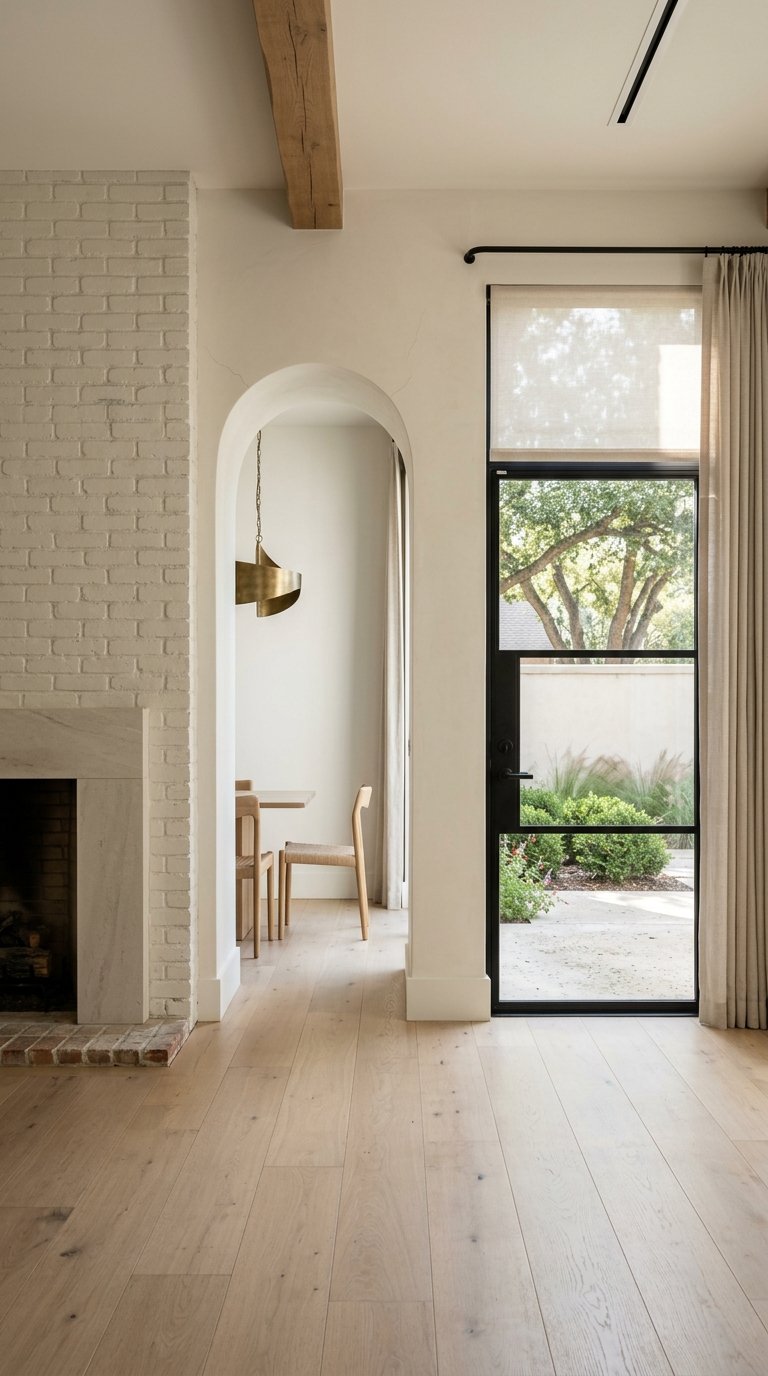
Trying to choose between a Dallas historic home and a newer build? You are not alone. Many buyers love the charm of older architecture but also want the comfort, efficiency, and simpler upkeep that often come with modern homes. This guide will help you compare both options in a practical way so you can decide what fits your lifestyle, budget, and long-term plans in Dallas. Let’s dive in.
What Counts as a Historic Home in Dallas?
In Dallas, a home is not considered historic just because it is old. The city identifies specific landmark districts with a concentration of properties connected by architecture, planning history, or historic significance.
That distinction matters because homes in Dallas landmark districts may be subject to exterior review rules. If a property is in a landmark district, exterior work requires a Certificate of Appropriateness before work begins, and that can affect everything from renovations to landscaping plans.
Where You Will Find Historic Homes
Dallas has several recognized historic districts, including Swiss Avenue, Munger Place, Junius Heights, Peak’s Suburban Addition, Winnetka Heights, Fair Park, Lake Cliff, South Boulevard / Park Row, Tenth Street, Wheatley Place, and Wilson Block.
If you are focused on historic-home shopping, East Dallas and Oak Cliff are two of the most useful areas to explore. East Dallas includes districts like Swiss Avenue, Munger Place, Junius Heights, and Peak’s Suburban Addition, while Oak Cliff includes Winnetka Heights, Lake Cliff, South Boulevard / Park Row, Tenth Street, Wheatley Place, and Fair Park.
What Dallas Historic Homes Feel Like
Historic homes in Dallas are not all the same style. Depending on the district, you may see Victorian, Prairie, Craftsman, Tudor, Colonial Revival, Queen Anne, Spanish Eclectic, Mission Revival, or Art Deco influences.
That variety is part of the appeal. In areas like Junius Heights, Craftsman bungalows are common, but the district also includes several other architectural styles, giving the neighborhood a layered and distinctive look.
Many historic districts also reflect older planning patterns. You may notice front porches, front gardens, smaller-scale blocks, and a strong sense of streetscape identity that feels different from more recently developed areas.
What Modern or Newer Homes Offer
Newer homes usually appeal to buyers who want convenience and predictability. They are often built around current construction practices, which can mean improved comfort, better energy performance, and fewer immediate repair needs.
ENERGY STAR certified new homes are designed with features like air sealing, insulation, and high-performance windows. According to ENERGY STAR, these homes can deliver at least 10% savings on annual utility bills while also improving comfort, durability, and indoor air quality.
New homes are not maintenance-free, but many come with builder warranty protection. That can help reduce the risk of large repair surprises in the first few years, even though coverage varies by system and component.
Where Newer Options Are Often Easier to Find
If your priority is newer housing stock, your search may be more productive when it expands beyond Dallas proper. In the broader metro, places like Plano and Irving show active new residential permitting and ongoing residential development support.
That does not mean Dallas has no modern homes. It simply means buyers who want truly newer construction and fewer historic-review constraints often find more options in parts of the metro where growth has been more recent.
How to Compare Historic vs. Modern Homes
The decision usually comes down to character-first versus convenience-first. Neither option is automatically better. The right choice depends on how you want to live and what trade-offs you are comfortable making.
Here is a simple side-by-side view:
| Factor | Historic Homes | Modern or Newer Homes |
|---|---|---|
| Style | Distinct architecture and period details | Clean lines, current layouts, updated finishes |
| Maintenance | Often more ongoing upkeep | Usually less deferred maintenance early on |
| Energy Efficiency | May need upgrades for insulation and air sealing | Often built with more current efficiency standards |
| Renovation Rules | Exterior work may require city approval in landmark districts | Typically fewer historic-review constraints |
| Buyer Appeal | Strong sense of place and architectural character | Convenience, comfort, and simpler ownership |
Maintenance and Budget Considerations
A charming older home can come with a more active maintenance plan. The U.S. Department of Energy notes that many older homes have less insulation than homes built today, so buyers should pay close attention to air sealing, insulation levels, and drafty windows or doors.
That does not mean you should avoid older homes. It means you should budget realistically for repairs, system updates, and energy improvements that may come over time.
Newer homes can still need maintenance, but the timing often looks different. Instead of preparing for immediate catch-up work, you may have more time before major systems need attention.
Renovation Rules Matter More Than Many Buyers Expect
If you are buying in a Dallas landmark district, renovation flexibility may be different from what you are used to. The city requires a Certificate of Appropriateness for exterior work on landmark properties and structures within landmark districts, and some projects may need review by preservation staff or the Landmark Commission.
This is especially important if you already know you want to add on, replace exterior materials, or significantly change landscaping. In some districts, the standards can be fairly detailed.
For example, certain tracts in Junius Heights require new construction and additions to match district-appropriate styles such as Craftsman, Tudor, or Prairie. That shows why it is so important to understand district-specific rules before you buy.
Tax Incentives Can Change the Math
Historic ownership can include added process, but it may also come with benefits. Dallas offers tax incentives for eligible rehabilitation work on designated landmarks or contributing properties within landmark districts.
If you are considering a historic home, this is one of the reasons to look at the full picture instead of only the purchase price. Rules may be tighter, but there may also be financial advantages tied to approved rehabilitation work.
Health and Remodeling Issues to Know
If a home was built before 1978, lead-based paint is an important consideration. Federal law requires disclosure of known lead-based paint hazards before the sale or lease of most pre-1978 homes, and these homes should be treated as potentially containing lead-based paint.
For you as a buyer, that matters most when you are planning repairs or remodeling. Lead-safe work practices may be needed, especially in older Dallas homes located in historic areas.
Which Type of Home Fits You Best?
Historic homes tend to fit buyers who value architecture, original details, and a strong sense of place. If you enjoy the idea of living in a home with visible character and you are comfortable with more maintenance and renovation rules, a historic property may be a great match.
Modern or newer homes tend to fit buyers who want easier day-to-day ownership, more energy efficiency, and fewer immediate projects. If you want a more turnkey experience and a layout shaped by current building practices, newer construction may feel like the better fit.
Questions to Ask Yourself Before You Choose
Before you decide, ask yourself:
- Do you want character and period style, or convenience and lower upkeep?
- Are you comfortable with possible renovation review requirements?
- How much maintenance time and budget do you want to take on?
- Would you prefer an established historic district or a newer-growth area?
- Are builder warranties and energy efficiency high priorities for you?
Your answers can quickly point you in the right direction. The goal is not to chase a trend. It is to choose the kind of home that supports how you actually want to live.
Why Local Guidance Helps
In Dallas, the historic-versus-modern decision is not just about looks. It also affects your budget, renovation options, search area, and long-term ownership experience.
That is where experienced local guidance can make a big difference. When you understand district rules, property condition, and where different types of homes are concentrated across the metro, you can make a more confident decision and avoid costly surprises.
Whether you are drawn to the character of East Dallas and Oak Cliff or the convenience of newer homes in the broader DFW market, the right strategy starts with clear priorities. If you want help comparing your options, reach out to Donna Jobe for experienced, personalized guidance across the Dallas-Fort Worth metroplex.
FAQs
What makes a home historic in Dallas?
- In Dallas, a home is generally considered historic when it is located in a designated landmark district or has official historic significance, not simply because it is old.
What are Dallas landmark districts?
- Dallas landmark districts are designated areas with a concentration of buildings connected by architectural style or historical importance, including places like Swiss Avenue, Junius Heights, Munger Place, Winnetka Heights, and Fair Park.
Do Dallas historic homes have renovation restrictions?
- Yes. Exterior work on landmark properties and homes in landmark districts requires a Certificate of Appropriateness before work begins, and some projects may need additional review.
Are newer homes in Dallas more energy efficient?
- Many newer homes are built with more current construction practices, and ENERGY STAR certified new homes are designed with features that can improve comfort, indoor air quality, and annual utility savings.
Where should you look for historic homes in Dallas?
- East Dallas and Oak Cliff are two of the main areas to research if you want historic homes, with multiple recognized landmark districts in both areas.
Where are newer homes often easier to find near Dallas?
- Buyers looking for newer housing stock often expand their search into the broader metro, including areas like Plano and Irving, where city resources reflect active residential development.
Do older Dallas homes cost more to maintain?
- They can. Older homes often need more attention to insulation, air sealing, windows, doors, and other systems, which can increase maintenance and upgrade costs over time.
Should buyers worry about lead paint in older Dallas homes?
- If a home was built before 1978, you should be aware of potential lead-based paint issues and related disclosure requirements, especially if you plan to remodel.
