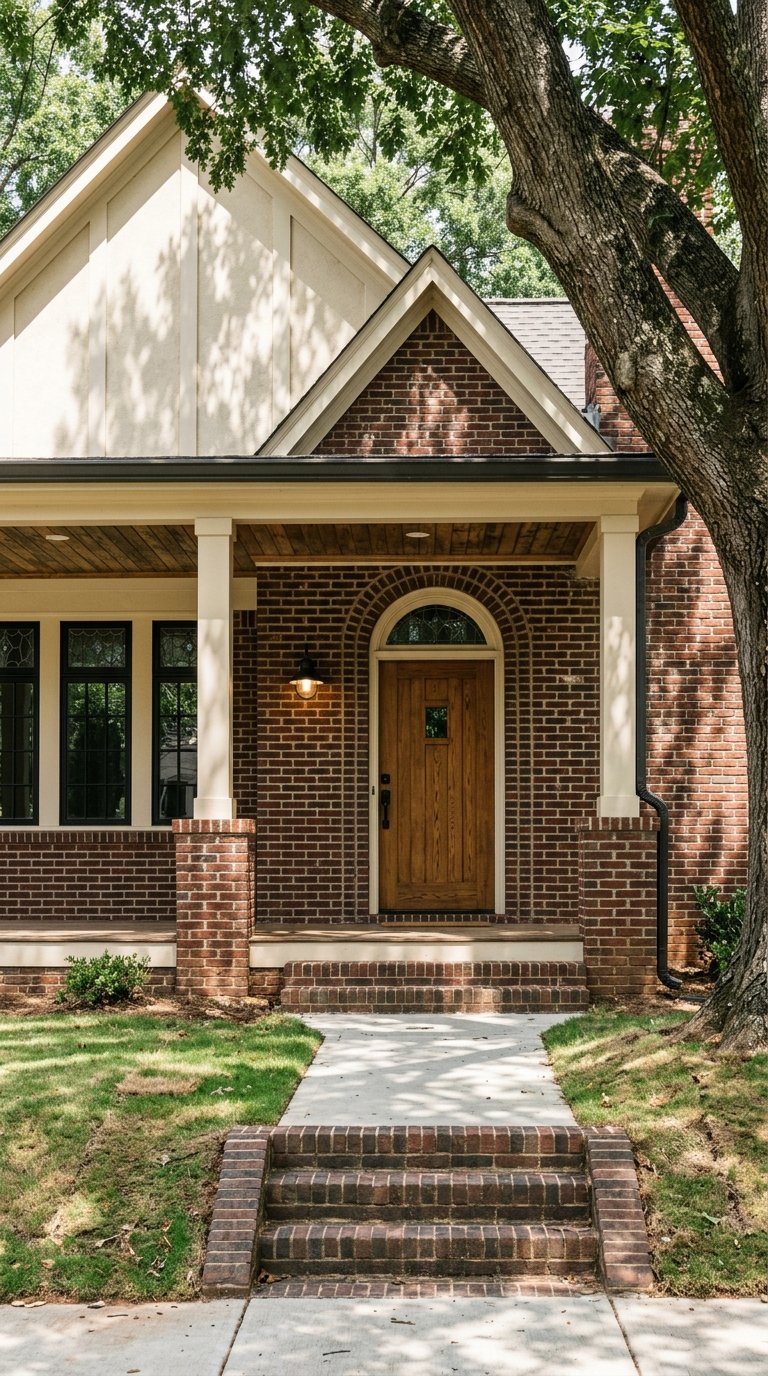
If you love original woodwork, deep front porches, and homes with real character, Oak Cliff can feel like a dream. But buying a historic home here also means looking past charm and understanding what you may be taking on before you write an offer. From local historic rules to inspection priorities and renovation planning, this guide will help you shop with more confidence. Let’s dive in.
Why Oak Cliff Stands Out
Oak Cliff holds some of Dallas’s most important historic housing areas. The Texas Historical Commission identifies multiple Oak Cliff resources, including Kessler Park, King’s Highway, Lake Cliff, Lancaster Avenue Commercial, Miller and Stemmons, North Bishop Avenue Commercial, Rosemont Crest, and Tenth Street.
You will also find one of Dallas’s best-known historic neighborhoods here. The City of Dallas describes Winnetka Heights as one of the most intact early 20th-century neighborhoods in Oak Cliff, with more than 600 residential structures and 20 commercial structures across 50 city blocks.
That scale matters when you start your home search. In Oak Cliff, “historic” is not just one street or one small pocket. It spans several areas, each with its own look, history, and review standards.
What Historic Means in Oak Cliff
A common mistake is assuming every older home is regulated the same way. In Dallas, historic labels are not interchangeable, and the City of Dallas distinguishes landmark districts from conservation districts.
That means two homes that look similar can come with different rules. One property may sit in a landmark district with exterior review requirements, while another may be in a conservation district or have no local designation at all.
The exact address matters. Before you fall in love with a house, you will want to confirm whether it is in a landmark district, a conservation district, or simply an older home without a local historic overlay.
Old House vs. Historic Designation
An older house is not automatically a locally designated historic house. Some Oak Cliff homes are historically notable, some are locally regulated, and some are not designated at all.
The City of Dallas also notes that National Register listing is a separate program administered by the Texas Historical Commission. By itself, that listing does not protect a property from demolition or alteration.
For you as a buyer, the practical takeaway is simple: do not rely on age or style alone. Verify the property’s actual designation before making renovation plans or budgeting for updates.
Architectural Styles You May See
One of the best things about buying in Oak Cliff is that the historic housing stock is not one-note. You are likely to see several architectural styles within a small search area.
In Winnetka Heights, the city describes a mix of one-story frame bungalows and two-story Prairie-influenced Four Squares. The Texas Historical Commission also lists Prairie School and Bungalow/Craftsman styles there.
Kessler Park includes Tudor Revival, Mission/Spanish Revival, and Bungalow/Craftsman. Lake Cliff is associated with late 19th- and 20th-century American movements and revivals.
That variety is part of the appeal. It also means your inspection, maintenance, and renovation priorities may look different depending on the specific home style and age.
Inspection Priorities for Historic Homes
When you tour a historic home, it is easy to focus on charm first. A better approach is to focus on the expensive systems and condition issues that can shape your budget from day one.
HUD’s physical inspection standards identify core components such as foundation, roof, electrical, HVAC, windows, and structural systems. The CFPB also notes that serious inspection findings, like a cracked foundation or a roof that needs replacement, can affect whether a buyer renegotiates, moves forward, or walks away.
Start With the Big-Ticket Items
Ask your inspector to pay close attention to these areas:
- Foundation
- Roof
- Electrical system
- HVAC system
- Drainage and leaks
- Windows
- Structural framing and overall structural condition
These are often the issues that have the biggest impact on your true cost of ownership. Cosmetic updates can wait, but major system failures usually cannot.
Attend the Inspection
If possible, attend your inspection in person. It gives you a chance to ask direct questions, see concerns firsthand, and better understand which items are maintenance issues and which ones may affect safety, budget, or negotiations.
For a historic home, this matters even more. Older materials and past repairs can be harder to evaluate from a written report alone.
Lead Paint and Asbestos Concerns
If you are buying an older Oak Cliff home, lead-based paint and asbestos are realistic issues to consider. That does not mean every home has a major hazard, but it does mean you should go in with open eyes.
The EPA says the older the home, the more likely it contains lead-based paint. It estimates that 87% of homes built before 1940 have some lead-based paint, and 24% of homes built between 1960 and 1978 do.
What Buyers Should Know About Lead Paint
For most pre-1978 housing, buyers and renters have the right to know whether lead-based paint hazards are present before signing. Renovation work that disturbs painted surfaces can also create hazardous dust.
If the home you are considering was built before 1978, ask clear questions about known lead-based paint hazards, past remediation, and any planned repairs that could disturb old paint.
What Buyers Should Know About Asbestos
If future renovation could disturb old floor tile, ceiling tile, or pipe wrap, EPA guidance recommends sampling suspect materials before work begins. That testing should be handled by a properly trained and accredited professional.
This is especially important if you are buying a fixer-upper. A lower purchase price can look appealing, but demolition and repair costs may rise quickly if hazardous materials need to be addressed first.
Renovation Rules in Dallas Historic Areas
Many buyers assume they can close on a historic home and start exterior work right away. In Dallas landmark districts, that is not how the process works.
The City of Dallas states that exterior work in landmark districts cannot start until a Certificate of Appropriateness, or COA, is approved. Each district has its own preservation criteria, which are administered by the Dallas Landmark Commission.
When a COA May Matter
If the home is in a Dallas landmark district, exterior projects may require city review before work begins. That can affect:
- Exterior alterations
- Replacement of visible exterior features
- Certain renovation timelines
- Project budgeting and contractor scheduling
Because rules vary by district, your first step should be confirming the property’s status and understanding the standards that apply to that exact address.
Conservation Districts Are Different
Dallas also uses conservation districts, including in Oak Cliff. These are different from landmark districts, so the review rules are not automatically the same.
That is why one of the smartest questions you can ask early is, “What local designation applies to this property?” It can save you time, money, and frustration later.
Questions to Ask Before You Make an Offer
Historic homes reward careful buyers. Before you move forward, make sure you understand both the house itself and the rules that may affect future work.
Here are smart questions to ask your inspector, seller, and contractor team:
- Is the home in a landmark district, a conservation district, or neither?
- Has the seller completed major repairs to the foundation, roof, electrical, HVAC, or drainage?
- Are there known lead-based paint hazards or prior remediation records?
- Could planned updates disturb old painted surfaces?
- Are there materials that may need asbestos sampling before demolition or replacement?
- Will the exterior scope require a Certificate of Appropriateness?
- What repairs should be addressed immediately versus over time?
These questions can help you separate a manageable project from a money pit. They also make it easier to build a realistic budget before closing.
How to Plan Your Budget
Buying a historic home usually means balancing charm with preparedness. Even a well-maintained property may need extra funds for repairs, specialized materials, or a slower renovation timeline.
A practical way to budget is to separate costs into three buckets:
- Immediate needs, like roof leaks, unsafe wiring, or drainage problems
- Near-term repairs, like aging HVAC equipment or window work
- Future improvements, like cosmetic upgrades or larger restoration projects
If the home is in a district with exterior review requirements, build time into your plan as well as money. Approval processes, lead-safe work practices, and possible asbestos review can all affect how quickly a project moves.
Why Local Guidance Helps
Buying a historic home in Oak Cliff is different from buying newer construction in another part of the metroplex. The architecture is more varied, the maintenance stakes are often higher, and local designation rules can shape what happens after closing.
That is why it helps to work with an experienced local team that values clear communication and careful planning. When you understand the home’s condition, the district rules, and the likely renovation path, you can make a decision that feels exciting and grounded at the same time.
If you are considering a historic home in Oak Cliff and want thoughtful guidance through the process, connect with Donna Jobe for experienced, relationship-driven support across the Dallas area.
FAQs
What makes a home historic in Oak Cliff, Dallas?
- In Oak Cliff, a home may be older without having a local historic designation. The City of Dallas distinguishes landmark districts, conservation districts, and other historic contexts, so the exact property status matters.
Do all older Oak Cliff homes have the same renovation rules?
- No. Two older homes in the same part of Oak Cliff can fall under different review rules depending on whether they are in a landmark district, a conservation district, or have no local designation.
What exterior work on a Dallas historic home may need approval?
- In Dallas landmark districts, exterior work cannot begin until a Certificate of Appropriateness is approved, and each district has its own preservation criteria.
What should you inspect first when buying a historic home in Oak Cliff?
- Start with big-ticket systems and structural concerns, including the foundation, roof, electrical, HVAC, drainage and leaks, windows, and overall structural condition.
Are lead paint concerns common in older Oak Cliff homes?
- They can be. The EPA says the older the home, the more likely it contains lead-based paint, and buyers of most pre-1978 homes have the right to know about known lead-based paint hazards before signing.
Should you worry about asbestos in a historic Oak Cliff house?
- If renovation may disturb old floor tile, ceiling tile, or pipe wrap, EPA guidance recommends having suspect materials sampled by a properly trained and accredited professional before work begins.
